
Last updated October 15, 2026
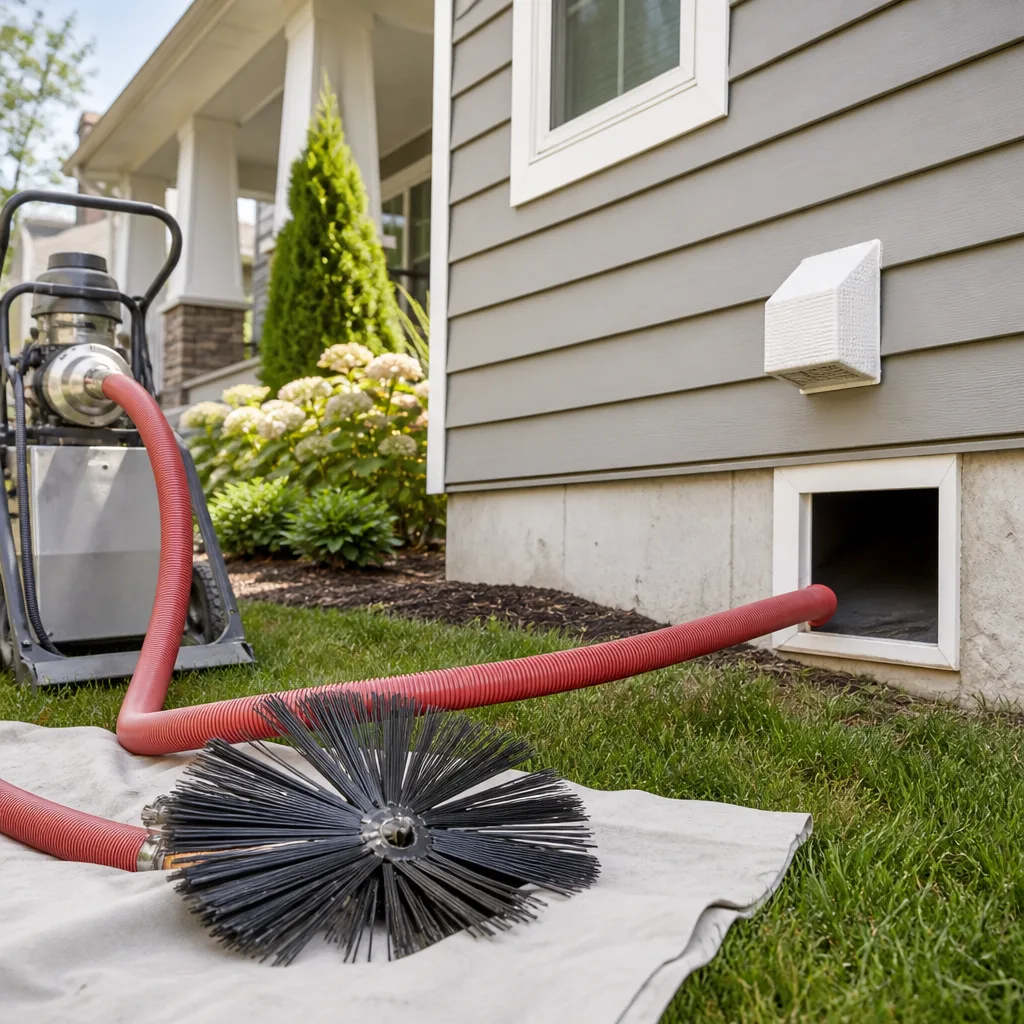 Whole-home duct cleaning
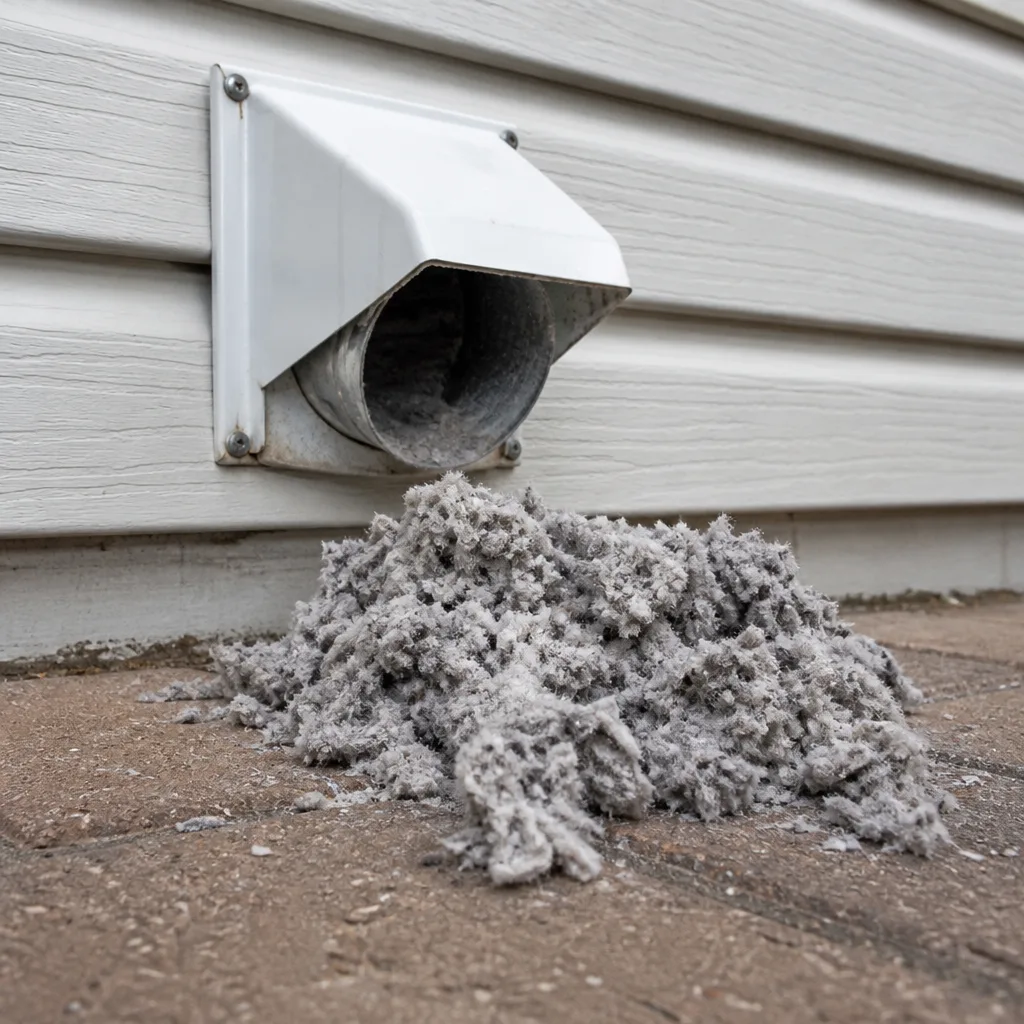 Dryer vent cleaning
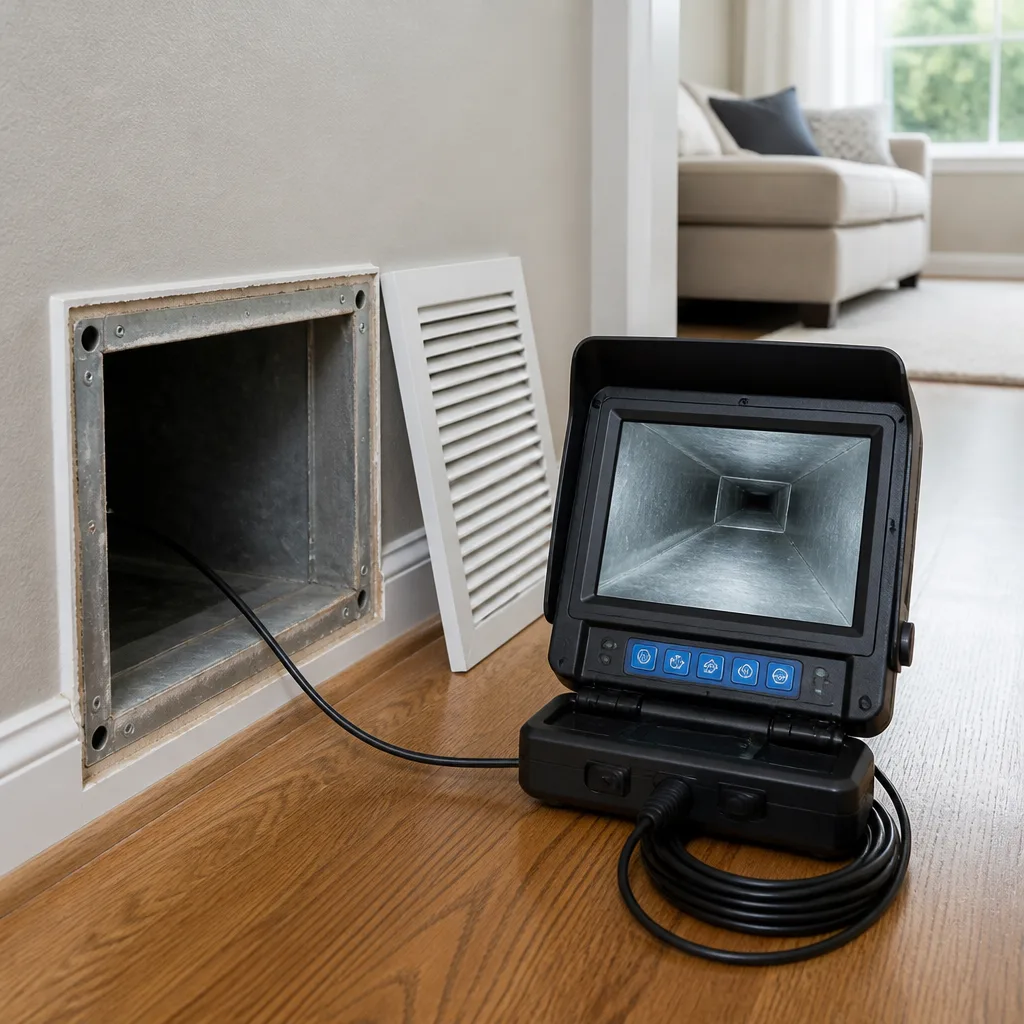 Camera inspection
 Sanitizing & deodorizing
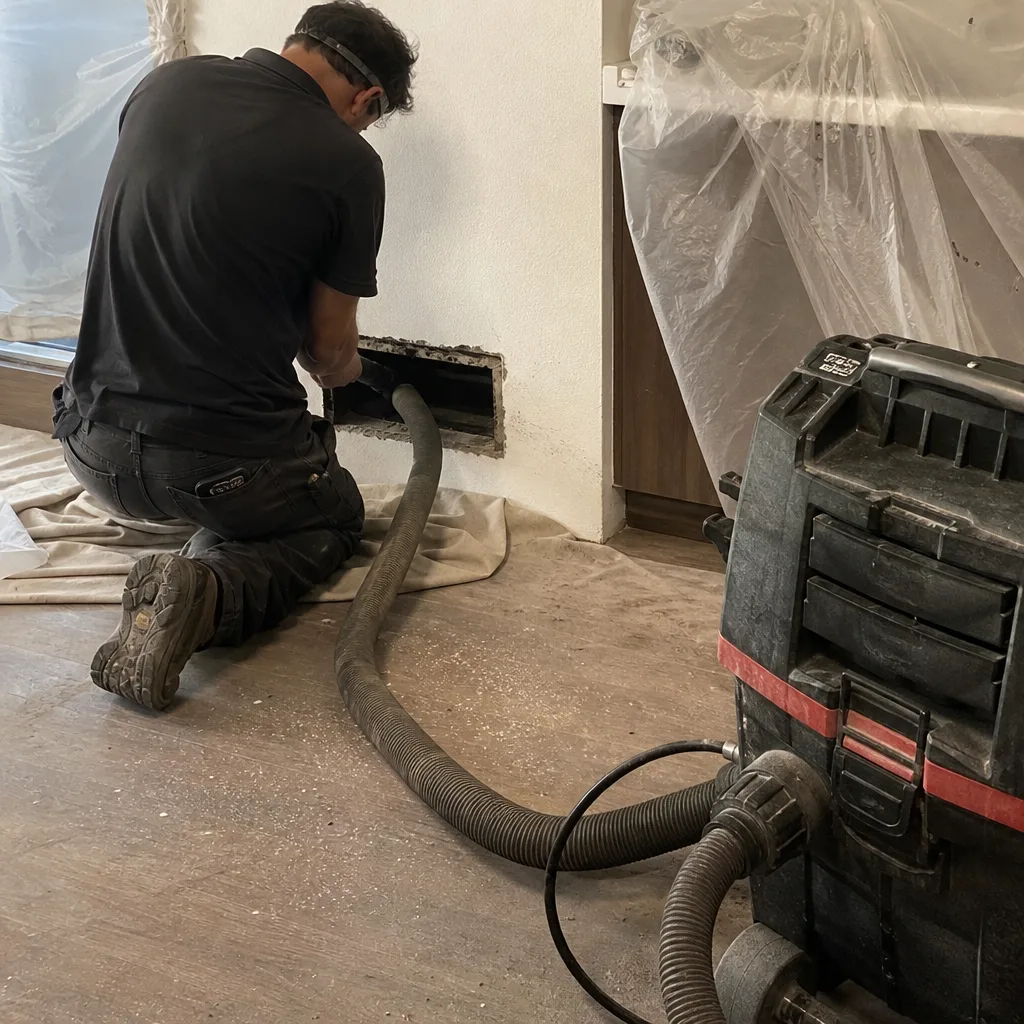
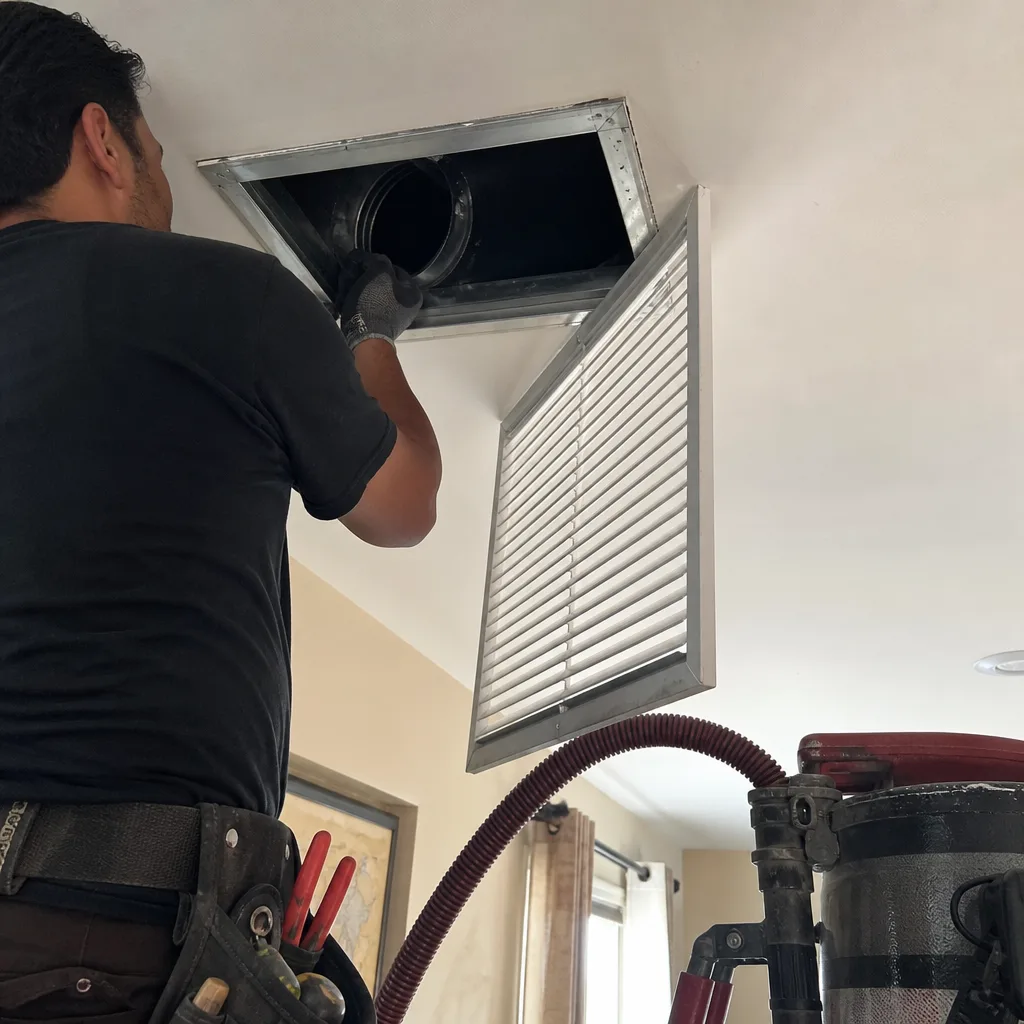
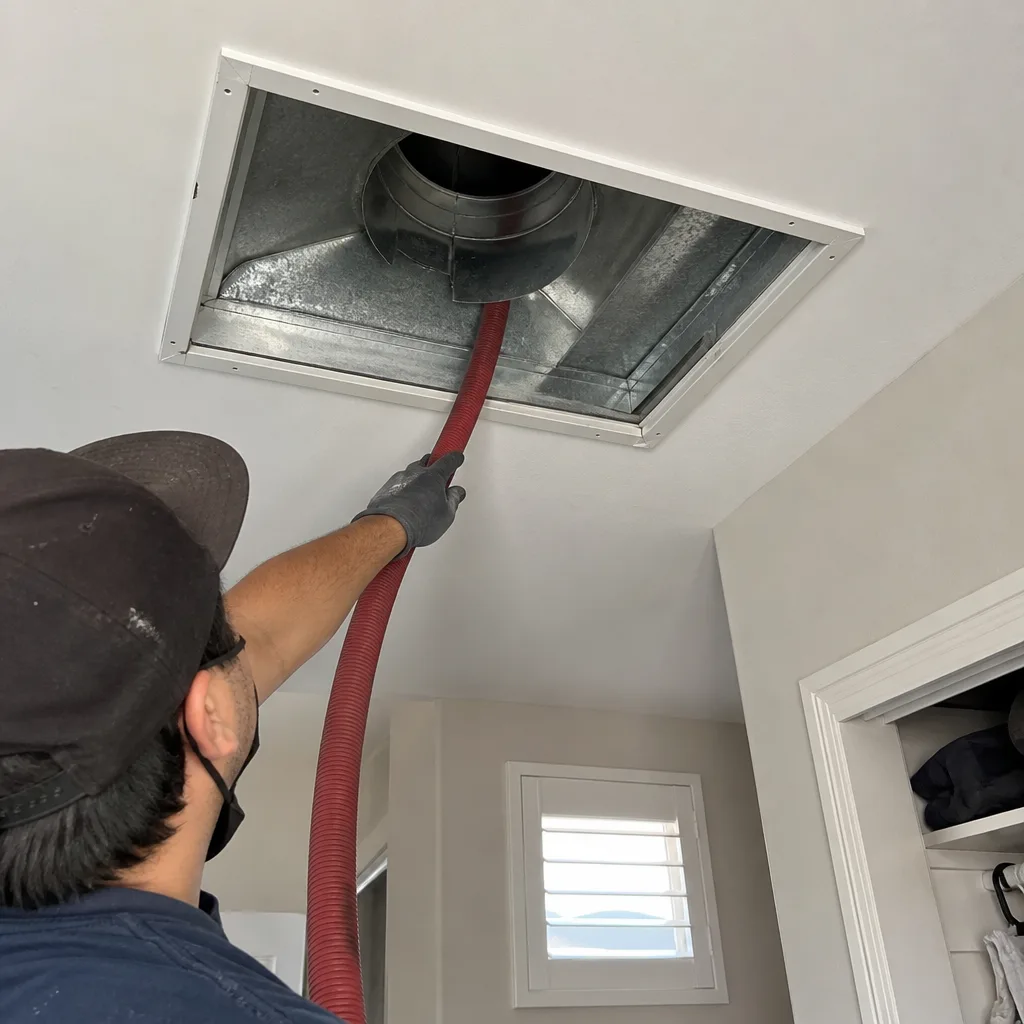
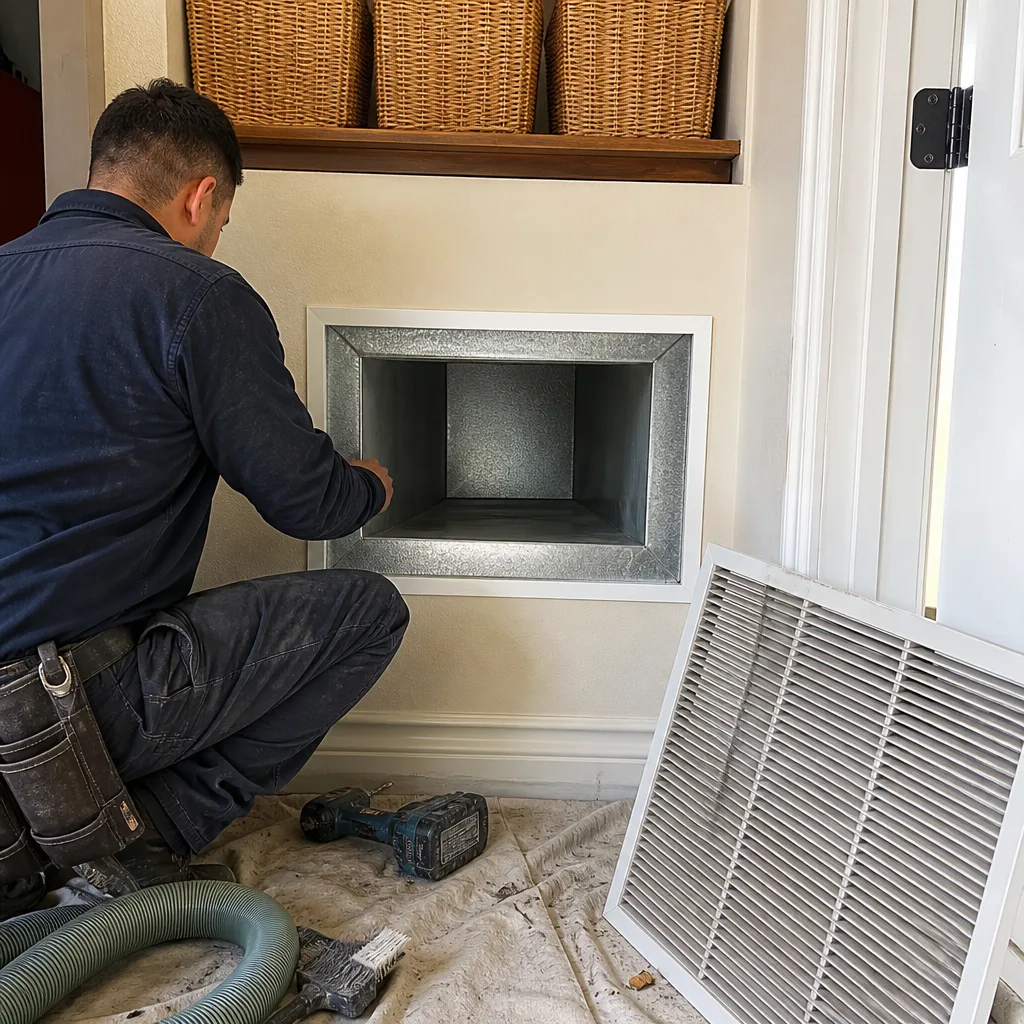
Whole-system duct and dryer vent check with before-and-after photos - you see exactly what came out of your vents
That "$99 whole-house special" is a bait ad - the real number appears once they are in your hallway, or the "clean" is a shop-vac at the register. We photograph the inside of your ducts before and after instead.
Air Duct Cleaning Permits, Codes & Inspections in CA: What You Need to Know
Here’s a statistic most San Diego homeowners never hear until it’s too late: roughly 40% of the duct systems in homes built before 2000 leak 20% or more of the air moving through them, according to field tests we’ve run across the county. When a duct cleaning technician disconnects a flex-duct run to access the trunk line, that leaky connection becomes visible. And in California, once certain duct work is “disturbed,” Title 24 energy code obligations can attach. This guide-along with our The Complete Guide to Air Duct Cleaning in San Diego-maps the exact line between a simple cleaning and work that requires a permit, a HERS rater, or both, under San Diego’s local amendments to the California Mechanical Code. You’ll learn what triggers a permit, who bears liability, and how to protect yourself without overpaying for unnecessary paperwork.
Styles & brands we work with
Quick Answer
Air Duct Cleaning services themselves do not require a permit anywhere in California, including the City of San Diego. However, if the cleaning involves disconnecting, reconnecting, replacing, or sealing duct segments, plenums, or registers, that work may cross into permit territory under the California Mechanical Code and San Diego Municipal Code Chapter 14, Article 2. Additionally, Title 24 requires that any duct system disturbed during cleaning or repair be sealed to specific leakage standards, verified by a HERS rater in many cases. The practical rule: cleaning is permit-free; duct modification is not.
Table of Contents
- Where the Permit Line Actually Is in California
- What the California Mechanical Code Says About Duct Work
- Title 24, Duct Sealing, and Why It Matters After Cleaning
- When a HERS Rater Gets Involved (and What They Actually Check)
- Multi-Unit Buildings, HOAs, and Shared HVAC Systems in San Diego
- Unpermitted Duct Work Discovered During a Home Sale: Who Is Liable?
- San Diego-Specific Codes, Amendments, and Climate Considerations
- How the Permit Process Works (If You Actually Need One)
- Common Mistakes to Avoid
- When to Call a Professional
- Frequently Asked Questions
- The Bottom Line
Where the Permit Line Actually Is in California
The cleanest way to think about this: in California, the act of cleaning an air duct, using negative-air extraction, rotary brush agitation, or compressed air, is not regulated work. No permit. No inspection. No sign-off from the City of San Diego’s Development Services Department. But the physical steps some technicians take to access those ducts can be.
Here’s the distinction in plain terms:
- Cleaning the interior surfaces of ducts: no permit. This includes running a Rotobrush rotary brush system through the ductwork or pulling debris out with a Nikro negative-pressure unit. Nothing structural changes.
- Disconnecting a flex-duct run at the register or the plenum to clean it: gray zone. If the technician simply detaches, cleans, and reattaches the same segment without altering it, most San Diego inspectors would not require a permit. But if the reconnection requires new mastic, new foil tape, or a new mechanical fastener, that begins to look like a “repair” under the California Mechanical Code.
- Replacing any section of duct: permit required. A new flex-duct segment, a new rigid duct elbow, a new register boot: these are alterations to the system, and the California Mechanical Code Section 105.1 requires a permit for “any installation, alteration, repair, replacement, or modification of any mechanical system.”
- Sealing a plenum or a trunk-line connection: permit required if the sealant application itself constitutes a repair. This is where it gets uncomfortable. A cleaning technician who notices a leaky joint and offers to “seal it up” as a courtesy has just performed unpermitted mechanical work in the eyes of the code, unless the work falls below the threshold for a minor repair waiver, which San Diego does not broadly grant for duct sealing.
In our experience serving San Diego since 2004, the most common trigger we see is not a dishonest contractor. It’s a well-meaning technician doing a favor that creates a liability problem. The customer asks, “While you’re in there, can you fix that gap?” and the technician does. The work looks fine. But there’s no permit on file, no HERS verification, and no record. If the home is sold three years later and a home inspector flags the repaired joint, the seller is the one holding the problem.
Before you schedule any duct service, ask the company directly: “Does your work ever include disconnecting or resealing ducts, and if so, do you pull permits?” A legitimate company will answer clearly. If the answer is evasive, that’s useful information too. For our part, Air Duct Cleaning in San Diego with Kestrel stays on the cleaning side of the line. We note conditions we see, but we do not perform unpermitted modifications as part of a cleaning visit.
What the California Mechanical Code Says About Duct Work
The California Mechanical Code (CMC), which is Chapter 18 of the California Building Standards Code, governs the installation, alteration, and repair of duct systems. San Diego has adopted the CMC with local amendments, which means the code applies in the city with some San Diego-specific tweaks. The relevant sections for a homeowner considering duct work are fairly short, but they carry real weight.
Key CMC Provisions to Know
- Section 105.1 – Permits Required: “Any installation, alteration, repair, replacement, or modification of any mechanical system, equipment, or appliance shall require a permit.” Air ducts are defined as part of the mechanical system. Cleaning is not listed as an activity requiring a permit, but “repair” and “replacement” are.
- Section 601.1 – General Duct Requirements: Ducts must be constructed and installed in accordance with this section and the applicable reference standards. Even a cleaning that leaves the duct in place must not leave the duct in a worse condition than it was found, including disconnections or compromised supports.
- Section 603.2 – Sealing Requirements: All duct joints, seams, and connections must be sealed with mastic, fiberglass mesh and mastic, or UL-listed tape. This is the section that turns a “quick re-tape” into regulated work. A technician who reseals a joint after cleaning is performing an “alteration” because the sealing is a code-required condition of the duct system.
- Section 608.1 – Duct Access: Ducts must be accessible for cleaning and inspection. If a cleaning requires cutting an access panel into the ductwork, that is an alteration and requires a permit.
What “Repair” vs. “Maintenance” Actually Means Under the CMC
The CMC does not define “maintenance” explicitly, which is part of why the line feels blurry. But San Diego’s Development Services Department has, in plan review and field inspection, consistently treated the following as repair work requiring a permit:
- Replacing any duct segment, regardless of length.
- Resealing a joint or seam with mastic or tape if the original seal was applied as part of the code-governed installation.
- Reconnecting a duct that has become disconnected from a register boot or plenum.
- Cutting a new access opening into a duct surface.
- Rerouting a duct run, even if it’s the same length and diameter.
The following are typically not treated as requiring a permit:
- Interior brush and vacuum cleaning of accessible duct surfaces.
- Replacing a standard air filter at the return grille.
- Vacuuming debris from a register boot without removing the boot.
- Inspection using a borescope or camera inserted through an existing register opening.
The practical takeaway for a homeowner in San Diego: if a cleaning company’s scope of work includes the word “seal,” “replace,” “repair,” “reroute,” or “access panel,” ask to see the permit application before the work starts. If the company says a permit isn’t needed, ask them to put that in writing on the quote. It’s reasonable to be skeptical until they do.
Title 24, Duct Sealing, and Why It Matters After Cleaning
California’s Title 24, Part 6, the Building Energy Efficiency Standards, has a specific requirement that catches many homeowners by surprise after a cleaning job. If any duct is “replaced, extended, or modified,” the entire affected duct system must be sealed to a maximum leakage rate of 6% of the system’s nominal airflow at 25 Pascals of pressure. The test is conducted by a certified HERS rater. And “modified” is a broader term than most people realize.
Here’s the sequence that matters for this guide: a cleaning technician detaches a flex-duct run from the sheet metal trunk to clean it. That detachment is, technically, a modification of the duct system while the work is in progress. If the technician reattaches the run without sealing it to Title 24 standards, and the home is later audited, inspected for a sale, or flagged during a HERS verification triggered by another renovation, the seal failure is a code violation attributed to the last person who worked on the duct. In many San Diego homes built before the 2005 update to Title 24 standards, the original duct seals are already failing. The disturbance from cleaning can accelerate the failure or make it apparent.
The important nuance: Title 24 applies when ducts are disturbed in a way that triggers the compliance obligation. A routine cleaning that does not disconnect or reseal anything does not trigger it. We specifically carry out duct cleaning in a way that preserves the existing connections. Our Kestrel Air Duct San Diego home page describes our equipment and process in detail. The point here is that the obligation attaches to the type of work that is done, not to the cleaning itself.
What Duct Sealing to Title 24 Standards Actually Involves
For the homeowner who does need it, here is what Title 24 duct sealing looks like in practice:
- Access: Every duct connection in the system must be accessible. In many older San Diego homes, this requires cutting access panels in drywall ceilings or crawlspace entry points.
- Sealing: All longitudinal seams, transverse joints, and connections at the plenum, register boots, and takeoffs are sealed with mastic. Foil tape alone does not satisfy Title 24 for most applications. Mastic is the standard.
- Testing: A HERS rater performs a duct leakage test using a duct blaster or standard blower door subtraction method. The rater measures airflow (in cubic feet per minute) at 25 Pascals and calculates the percentage of system airflow lost.
- Verification: If the system leaks 6% or less, the rater files a compliance document that stays with the home’s building records. If it leaks more, the sealing must be improved and the test re-conducted.
In coastal San Diego neighborhoods like Point Loma and Ocean Beach, where salt air accelerates metal duct corrosion, we often see seal failures at the sheet-metal trunk connections. In inland areas like Rancho Bernardo and Scripps Ranch, where the attic temperatures in August exceed 140 degrees, mastic can dry and crack. Both are real-world conditions that affect whether a Title 24 duct seal lasts.
When a HERS Rater Gets Involved (and What They Actually Check)
A HERS rater is a certified independent verifier with credentials issued by an approved HERS provider under the California Energy Commission’s oversight. Their job is to confirm that energy-related construction work meets Title 24 requirements. When duct work triggers a Title 24 compliance obligation, a HERS rater is required to perform specific diagnostic tests and file documentation.
Here is what a HERS rater actually does during a duct-related verification:
- Duct Leakage Test: The rater connects a calibrated fan to the duct system, seals all registers and grilles, and pressurizes the system to 25 Pascals. The airflow required to maintain that pressure is measured in CFM. The result is compared against the system’s design airflow.
- Visual Inspection: The rater examines accessible duct joints, seams, and connections for visible sealant defects, disconnected segments, and unsupported runs. Photographs are typically taken.
- Airflow Verification: In some cases, the rater measures airflow at individual registers to ensure that the system’s distribution was not degraded by the sealing work. A perfectly sealed trunk that delivers 60% of design airflow to one bedroom and 10% to another fails the test, even if the leakage number is low.
- Documentation Filing: The rater submits the test results to the HERS provider and the local building department. The homeowner receives a copy. This document matters during resale.
The cost of a HERS duct leakage verification in San Diego typically runs between $250 and $500 for a single-family home. The rater is not a building inspector; they do not issue permits or approve code compliance beyond the energy code scope. If the duct work also required a mechanical permit, the City of San Diego’s building inspector signs off on the structural and fire-safety elements, while the HERS rater covers the energy performance elements.
A Realistic Scenario from San Diego
A homeowner in Clairemont buys a 1978 ranch with original flex ducts. The dryer vent was professionally cleaned, but the HVAC ducts have never been touched. They hire a company that advertises “deep cleaning plus duct repair.” The company replaces two flex runs that were crushed in the attic and reseals three trunk connections. No permit is pulled. No HERS rater is called. The work looks fine. Eleven months later, the homeowner sells the house. The buyer’s home inspector notes “duct modifications visible in attic; no permit on file with the City of San Diego.” The buyer demands either a retroactive permit with a HERS verification or a $4,000 price reduction. The seller is legally vulnerable because California Civil Code Section 1102 requires disclosure of known unpermitted work. The problem could have been avoided entirely by hiring a company that either stays on the cleaning side of the line or pulls the permit when it crosses it.
That scenario is not hypothetical. We see variations of it several times a year in San Diego.
Multi-Unit Buildings, HOAs, and Shared HVAC Systems in San Diego
Condo owners in downtown San Diego high-rises and HOA-governed townhome communities in Mission Valley face a different set of rules. When the duct system is shared, or when the cleaning work requires access to mechanical rooms or rooftop equipment controlled by the HOA, additional layers apply.
The core distinctions:
- Individually owned systems: In many San Diego condos built after 1990, each unit has its own furnace or heat pump air handler, and the ductwork serves only that unit. Cleaning permits are not required, but the HOA’s rules may require submitting a work request, providing proof of insurance from the cleaning company, and scheduling the work within specific hours.
- Shared trunk systems: In older buildings, particularly in La Jolla and Coronado where mid-century construction is common, a single air handler may serve multiple units through shared trunk ducts. Any cleaning or modification of that shared duct work is a common-area issue and requires HOA approval. A unit owner who hires a cleaning company to work on a shared trunk without approval has created liability for themselves and for the association.
- Rooftop equipment access: If the duct work connects to a packaged unit on the roof, the technician may need to access the roof. The HOA or building manager must grant that access. Some buildings require the cleaning company to be named on a certificate of insurance before any work begins.
- Smoke and fire dampers: In multi-unit buildings, duct systems often include fire dampers at the unit boundaries. Disconnecting or altering a duct near a fire damper is a fire-safety code issue under the California Building Code, not just the Mechanical Code. The permit implications are immediate if a damper is disturbed.
For a San Diego condo owner, the correct process is: read the CC&Rs, contact the building manager or HOA representative, and confirm in writing whether the duct work is individually owned or shared. If it’s shared, the cleaning company must coordinate with the HOA. If it’s individually owned, the cleaning can proceed without a permit, provided no modifications are made. We routinely provide certificates of insurance and scope-of-work letters for HOA-governed buildings in San Diego, and this documentation is often required before the work is approved.
Unpermitted Duct Work Discovered During a Home Sale: Who Is Liable?
California law is specific on this point, and it does not favor the seller who claims ignorance. Under Civil Code Section 1102, a seller of a residential property with one to four units must complete a Transfer Disclosure Statement. One of the questions asks whether the seller is aware of any “alterations, repairs, or replacements made without required permits.” A seller who hired a duct cleaning company that performed modifications and did not pull a permit may honestly answer “no” to that question because the seller genuinely doesn’t know the work was unpermitted. But the liability can still land on the seller.
Here’s the chain of responsibility:
- Home inspector’s report: The buyer’s home inspector is not a code enforcement officer, but most experienced inspectors in San Diego recognize duct modifications when they see them. They will note “duct work appears altered; permits not verified.”
- Buyer’s demand: The buyer requests that the seller either provide the permit or obtain a retroactive permit. A retroactive permit in San Diego requires submitting the work for inspection, paying double the normal permit fee, and typically engaging a HERS rater for the duct leakage test. The cost can reach $1,500 to $3,000 once inspection, HERS, and correction work are factored in.
- Escrow negotiation: If the seller cannot or will not obtain the retroactive permit, the buyer may demand a price reduction, a credit at closing, or the right to cancel the contract. Under most California residential purchase agreements, the buyer has the right to request repairs based on the inspection findings.
- Post-sale discovery: If the unpermitted work is discovered after the sale closes, the buyer’s recourse is a lawsuit against the seller for failing to disclose material facts affecting the property’s value or desirability. The statute of limitations for fraud is three years from discovery; for breach of contract, four years. The damages can include the cost of bringing the work into compliance plus any diminution in value.
The cleanest protection for a San Diego homeowner is to insist, before any duct cleaning is performed, that the company’s scope of work is limited to cleaning only, with no modifications. That boundary should appear in the written estimate. We put it in writing on every job: our cleaning services do not include duct modification or repair, and if we observe conditions that require modification, we document them and refer the homeowner to a licensed HVAC contractor who pulls the appropriate permits. This is how the Kingswell Guarantee operates: the written price and scope are in the customer’s hands before work starts, and no work is performed that falls outside that scope.
San Diego-Specific Codes, Amendments, and Climate Considerations
San Diego’s climate is not uniform, and that fact affects how duct systems age and where the code-related problems tend to appear. The coastal zone, roughly everything west of Interstate 5, is marine-influenced: high humidity, salt air, and relatively mild temperatures. The inland valleys, including Santee, El Cajon, and Poway, are hotter and drier. East County sees summer temperatures above 100 degrees routinely. These different environments produce different duct failure modes, and a homeowner in each zone should understand which code issues are most likely to arise.
Coastal San Diego: Salt Air and Metal Duct Corrosion
In Ocean Beach, Point Loma, Pacific Beach, and La Jolla, galvanized steel ducts corrode at joints and seams faster than in inland areas. The corrosion creates gaps at the very points where the California Mechanical Code requires the tightest seals. A cleaning that disturbs these corroded joints can cause them to fail completely. Homeowners in coastal San Diego should pay particular attention to any cleaning technician’s recommendation to “re-seal” a joint: that recommendation is a signal that the work has crossed into repair territory, and a permit may be triggered.
Inland San Diego: Attic Heat and Flex-Duct Degradation
In Rancho Peñasquitos, Scripps Ranch, and the inland corridor along I-15, attic temperatures in July and August regularly exceed 140 degrees. The outer vapor barrier of flex duct deteriorates under that heat. The inner liner becomes brittle. The connections at the register boots and plenum takeoffs loosen. A homeowner in these areas is more likely to need duct replacement than duct cleaning, and a honest technician will say so. But replacement is a permitted activity. A cleaning company that offers to replace flex duct without pulling a permit is exposing the homeowner to exactly the liability described earlier in this guide.
San Diego Municipal Code Provisions
San Diego’s local amendments to the California Mechanical Code are administered by the City of San Diego’s Development Services Department. Key local provisions include:
- Permit valuation thresholds: San Diego exempts certain minor work from permit requirements if the total value of the work is below a specific dollar threshold, currently $500 for mechanical work. But the threshold is based on the fair market value of the work, not the invoice price. A duct replacement that a contractor bills at $450 but has a fair market value of $800 does not qualify for the exemption.
- Historic districts: Homes in designated historic districts, including parts of Mission Hills, Bankers Hill, and Golden Hill, are subject to additional review under the City’s Historical Resources Board. Duct modifications that are visible from the exterior of the home, including any new roof penetrations or wall louvers, require historical review before a permit can be issued.
- Coastal zone permits: Properties in the coastal zone, as designated by the California Coastal Commission, may require a coastal development permit for certain exterior modifications. Interior duct work is typically exempt, but any exterior vent, louver, or exhaust opening associated with the duct system is not.
How the Permit Process Works (If You Actually Need One)
If the work you need does cross the line into permit territory, here is the step-by-step process in the City of San Diego. This is the homeowner’s guide, not a contractor’s manual; we’ve kept it practical.
- Determine the scope: Write down exactly what work will be done. “Replace two flex-duct runs in attic from plenum to register boots. Reseal three trunk connections with mastic.” The specificity matters because the permit application requires it.
- Hire a licensed contractor: In California, any contractor performing mechanical work that requires a permit must hold a C-20 warm-air heating, ventilating, and air-conditioning contractor’s license issued by the Contractors State License Board. You can verify the license number at cslb.ca.gov.
- Pull the permit: The contractor, or the homeowner acting as owner-builder, files the permit application with the City of San Diego’s Development Services Department. The application includes the scope of work, the equipment specifications, and the permit fee. Mechanical permit fees in San Diego vary based on the valuation of the work; a typical duct replacement permit runs between $150 and $400.
- Schedule the inspection: Once the work is complete, the contractor calls for inspection. The city inspector verifies that the work matches the permit scope, that the duct connections are properly sealed, and that the installation meets code.
- Coordinate the HERS verification: For duct work that triggers Title 24 requirements, the HERS rater performs the duct leakage test. The rater’s documentation is submitted to the HERS provider and the city, and a copy is provided to the homeowner.
- Close the permit: The city issues a final inspection approval, and the permit is closed. The homeowner keeps the documentation, which becomes important if the home is later sold.
The total time from permit application to final inspection for a typical duct replacement in San Diego is two to three weeks. The total cost, including permit fees, HERS verification, and contractor labor for the permitted work, is higher than an unpermitted job would be. That cost difference is not a bug; it’s the price of documentation, verification, and liability transfer. The savings from skipping the permit are not savings if they materialize as a price reduction during your home sale.
Common Mistakes to Avoid
- Assuming the cleaning company’s “we don’t need a permit” statement is correct: Most of the time, for cleaning-only work, it is correct. But if the scope includes disconnection, resealing, or replacement, the statement is false. Ask the company to put the scope in writing and specify that no modifications are included.
- Letting a technician do a “quick fix” while on site: The technician who reconnects a loose duct, reseals a joint, or replaces a crushed flex run has created unpermitted work. You now own the liability. The right response is to ask for a written recommendation and hire a licensed contractor with a permit.
- Not keeping documentation of the cleaning: If you ever sell the home and a question arises about duct modifications, a written scope-of-work from the cleaning company showing “cleaning only, no modifications” is your best evidence. Insist on that language in the estimate and the invoice.
- Ignoring the HOA layer in a condo or townhome: In shared building systems, the HOA’s approval requirements are additional to any city permit requirements. Failing to get HOA approval can result in a violation notice, a fine, or a demand to undo the work.
- Assuming a home inspector will catch unpermitted duct work: Home inspectors in San Diego vary in their ability to assess duct condition. Some are thorough; many are not. Do not rely on the inspection as a safety net. The liability stays with you regardless of what the inspector missed.
- Confusing a HERS rater with a building inspector: A HERS rater verifies energy performance. A building inspector verifies mechanical code compliance. They are different people with different scopes. If the work triggered a permit, both are required. A HERS verification alone does not close a permit.
- Deferring duct replacement to save money: In inland San Diego, where attic heat destroys flex duct, the realistic lifespan of a flex run is 15 to 25 years. A duct system that has reached the end of that life and receives cleaning instead of replacement is a temporary fix, not a solution. The code-compliant replacement is more expensive upfront, but it avoids the compounding costs of leaks, energy loss, and eventual emergency repair.
When to Call a Professional
You should call a professional when you see evidence that your duct system has been modified, is failing, or has been flagged. Specific situations that warrant a call include: a home inspection report noting duct alterations with no permit on file; visible duct disconnections in the attic; a sudden spike in your SDG&E bill that corresponds with poor airflow at certain registers; and any recommendation from a cleaning company that includes the words “replace,” “seal,” or “reroute.” For cleaning-only work, Kestrel Air Duct San Diego offers free estimates in San Diego. Call (619) 695-0424 and we’ll give you a written scope and price before any work begins. If the work you need is outside our cleaning services, we’ll tell you that directly and point you toward a licensed contractor who can pull the appropriate permit.
Frequently Asked Questions
No. Air duct cleaning itself, including negative-air extraction and rotary brush agitation, is not a permit-required activity under the California Mechanical Code or the San Diego Municipal Code. A permit is only required if the cleaning includes modification, repair, replacement, or re-sealing of duct components. Call (619) 695-0424 for a free estimate that documents the cleaning-only scope in writing.
Replacing any duct segment, resealing a joint with mastic, reconnecting a disconnected duct, cutting an access panel, or rerouting a duct run all trigger a mechanical permit requirement in San Diego. Cleaning the interior surfaces of ducts does not. If a company’s proposal includes any of these items, ask to see the permit application.
Look for signs in the attic: fresh mastic that is visibly different from the surrounding joints, new flex duct that is cleaner than the rest of the system, or register boots that show recent fasteners. If you’re unsure, a licensed HVAC contractor or a home inspector can assess the condition. If you’re selling a home and unpermitted work is discovered, the liability typically lands on you as the seller.
Title 24 requires that any duct system that has been “replaced, extended, or modified” be sealed to a maximum leakage rate of 6% of nominal airflow at 25 Pascals, verified by a HERS rater. It applies when the work crosses from cleaning into modification. A cleaning-only visit does not trigger it.
It depends on whether the duct system is individually owned or shared. In individually owned systems, cleaning typically proceeds without a permit but may still require HOA notification and proof of insurance. In shared systems, HOA approval is required before any work, and the cleaning company must coordinate with the building manager.
The seller is responsible, even if the unpermitted work was performed by a previous contractor without the seller’s knowledge. California Civil Code Section 1102 requires disclosure of known unpermitted alterations. The practical remedy is a retroactive permit with inspection and HERS verification, paid for by the seller or negotiated as a credit at closing. Call (619) 695-0424 and we’ll help you understand what documentation you should have before your home goes on the market.
The Bottom Line
Air duct cleaning in California is permit-free, and that’s the honest answer to the headline question. But the boundary between cleaning and modification is real, and crossing it without a permit creates liability you may not discover for years. The safe posture in San Diego is to insist on written scope-of-work language that says “cleaning only, no modifications,” to verify that any recommended repairs come from a licensed contractor with a permit, and to keep every piece of documentation. For more guides & resources on protecting your home, see our blog. Kestrel Air Duct San Diego, operating under the Kingswell Guarantee since 2004, provides written pricing before work starts and a 365-Day Done Right Promise in writing on every job. For a free estimate in San Diego, call (619) 695-0424.
Written by Dale Whitmore, Owner at Kestrel Air Duct San Diego, serving San Diego since 2004.
See the difference
 Before
 After
After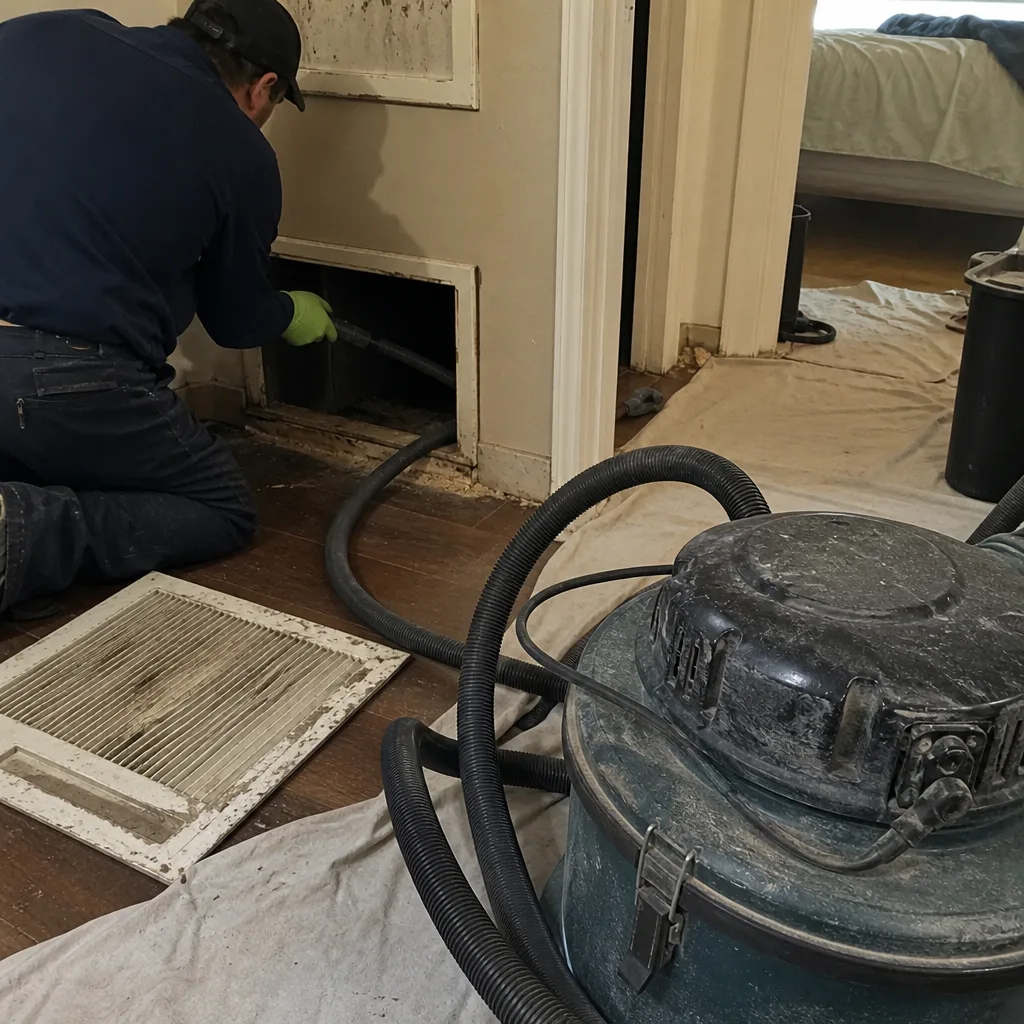 Before
 After
After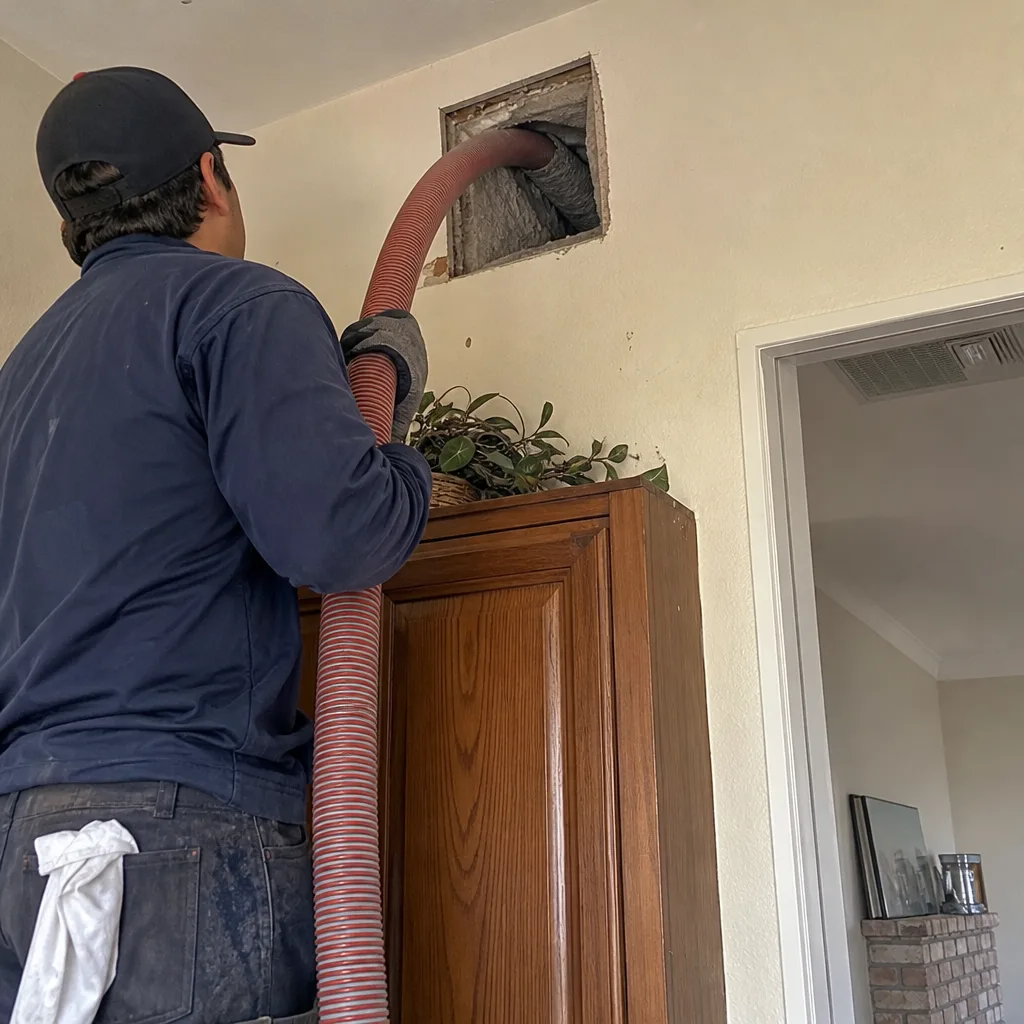 Before
 After
After