
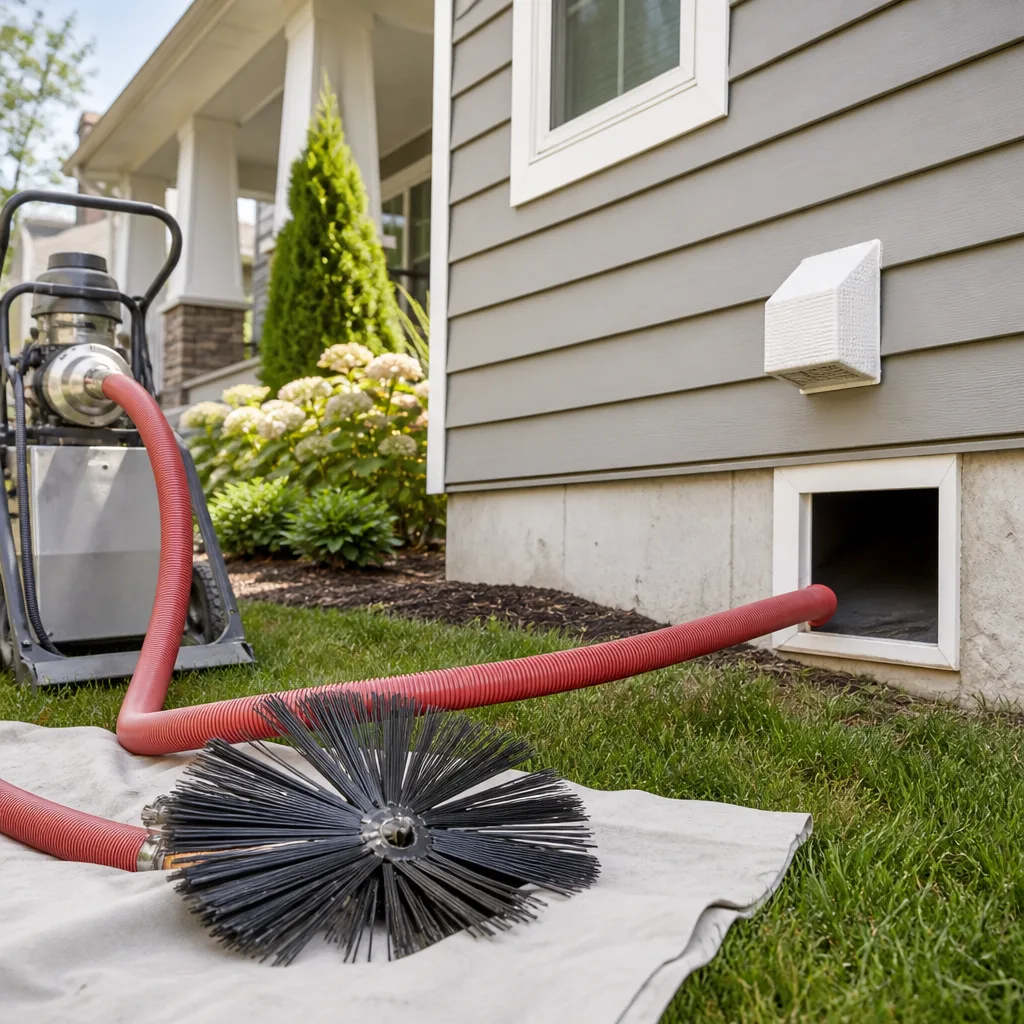
 Whole-home duct cleaning
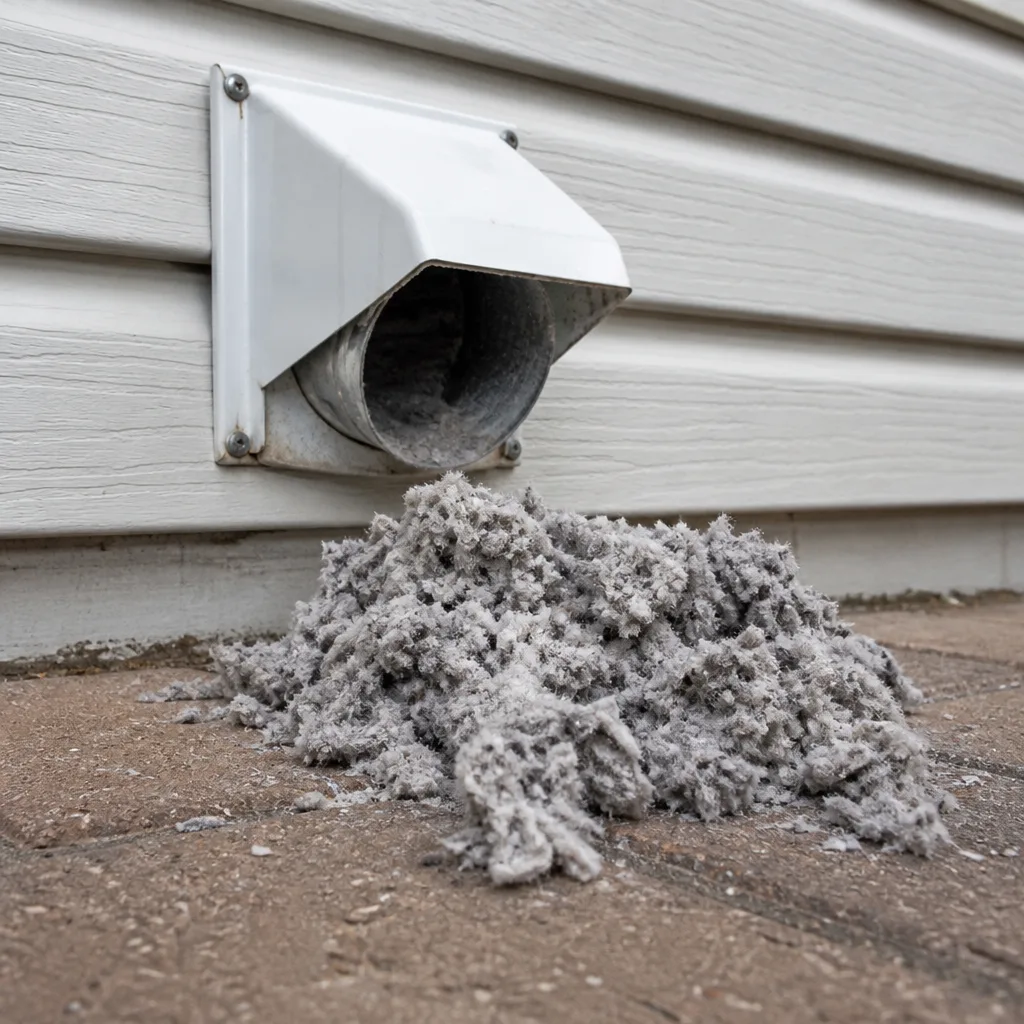 Dryer vent cleaning
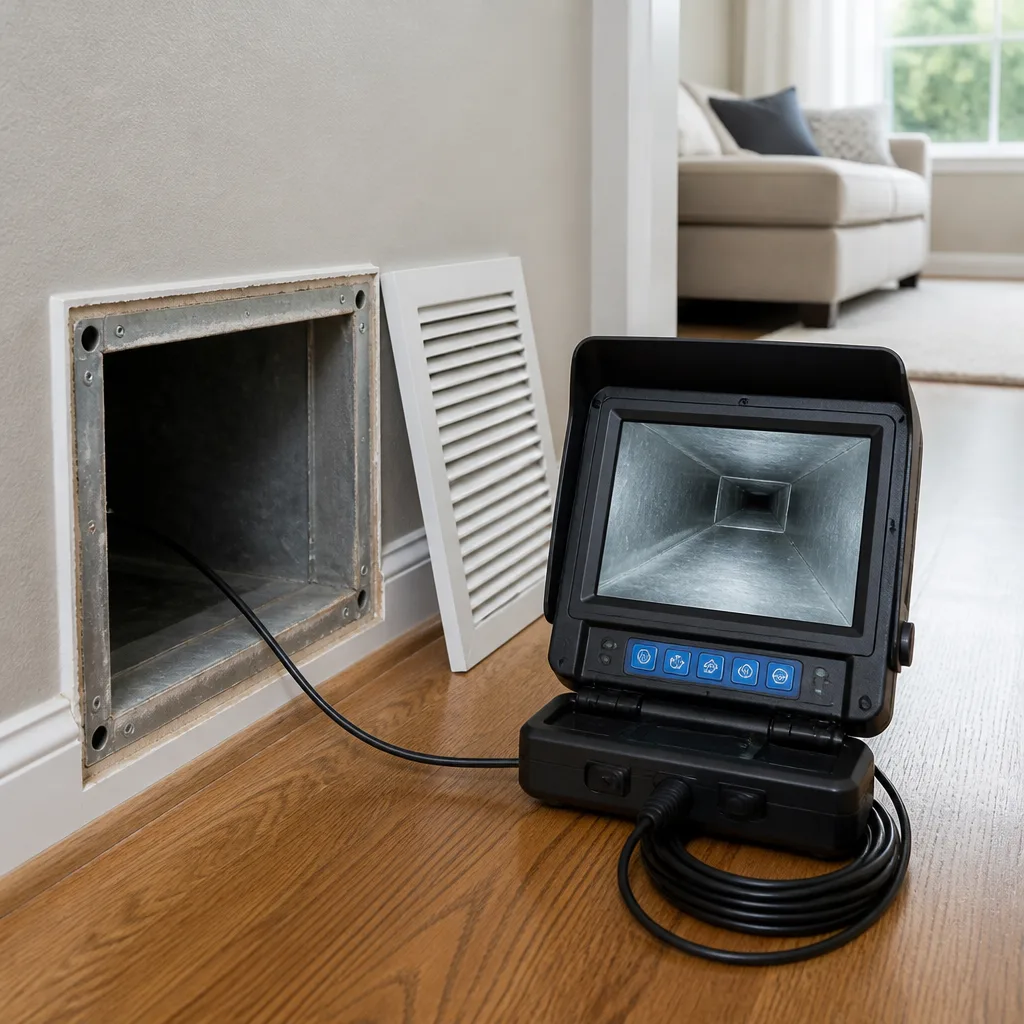 Camera inspection
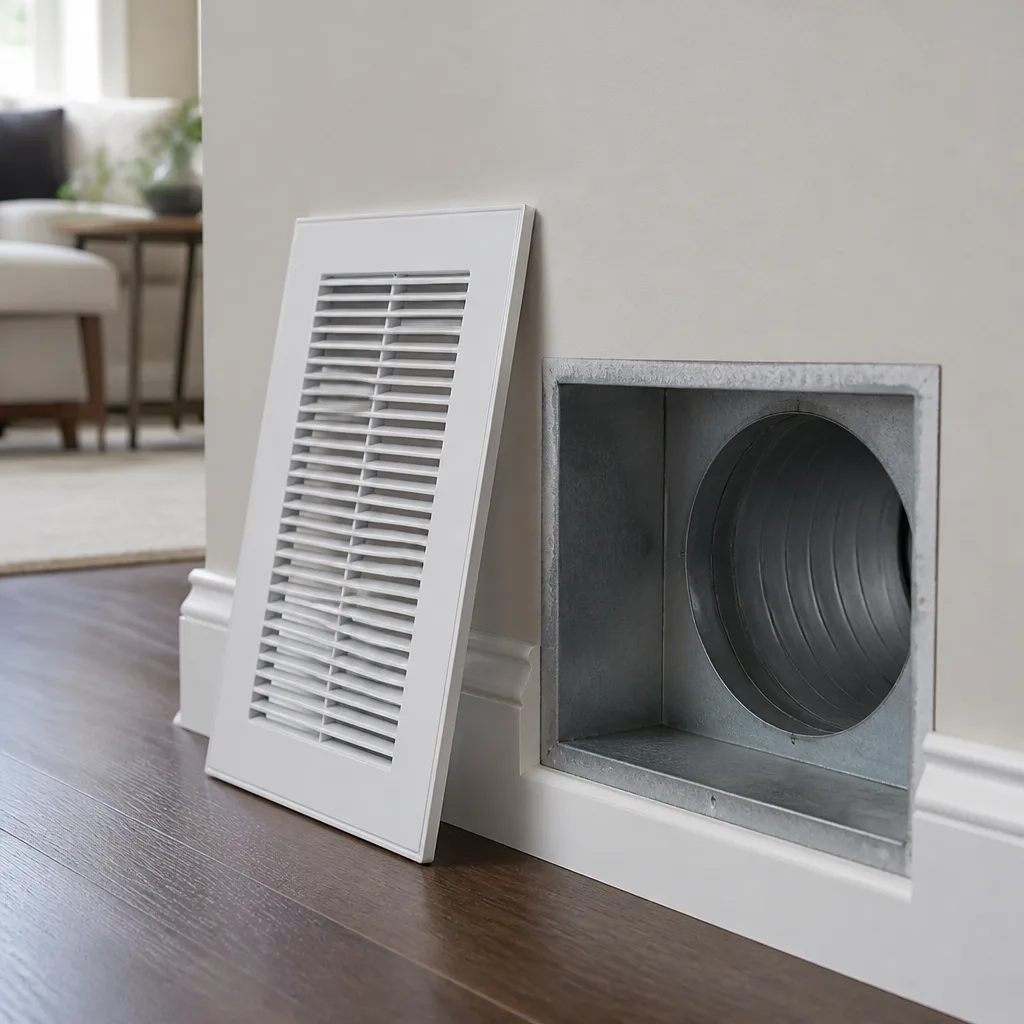 Sanitizing & deodorizing
Whole-system duct and dryer vent check with before-and-after photos - you see exactly what came out of your vents
That "$99 whole-house special" is a bait ad - the real number appears once they are in your hallway, or the "clean" is a shop-vac at the register. We photograph the inside of your ducts before and after instead.
Nikro Vent Sanitizing: The San Diego Owner’s Guide
We stock and install Nikro-compatible vent sanitizing components across San Diego, with most replacements running between $145 and $285 installed depending on your Nikro model and what failed. We keep the common Nikro sanitizing parts on our trucks, so most San Diego jobs are done the same day we arrive. How owners usually find us: the Nikro unit powers on but the sanitizing mist is weak or absent, or the indicator shows a cycle complete when nothing actually dispersed through the vents.
Vent sanitizing on a Nikro system works by atomizing a liquid antimicrobial into a fine mist that travels through the ductwork and settles on interior surfaces. When that process stops working right, you’re blowing untreated air through the house while paying to run the equipment anyway. We see this most often in San Diego homes where the unit sits in a garage or attic and the heat dries out seals and O-rings faster than the manufacturer’s average lifespan would suggest. Dale Whitmore has been pulling failed Nikro components out of San Diego duct runs since long before the current models shipped, and the failure pattern is almost always the same: a ten-dollar seal fails, the mist never reaches the duct, and the owner gets a faint smell of sanitizer near the unit instead of through their registers.
Which Nikro Models This Applies To
Nikro built its vent sanitizing into several systems over the years, and the part you need depends on which generation you own. The early Nikro units used a gravity-fed reservoir with a replaceable wick assembly; the later models switched to a pressure-fed atomizer with a dedicated pump. If your Nikro unit has a clear or opaque reservoir visible on the side, you’re working with the early design. If the sanitizing line runs to a small cylindrical pump, that’s the newer pressure system. The two are not interchangeable, and this is the single biggest compatibility gotcha we fix in San Diego after someone orders the wrong part online.
Look for the Nikro data plate on the back or bottom of the main housing. You want the model prefix (usually a letter-and-number sequence like N-series or similar, depending on year) and the serial. Match that before buying anything. For OEM Nikro parts, the reservoir and pump stay in production for a long time but the atomizer nozzles changed thread pitch around the mid-2010s switchover. We stock both thread patterns in San Diego because we still see plenty of older units in Clairemont Mesa and Tierrasanta homes where the ducts date back decades. On the OEM-versus-aftermarket question: for Nikro sanitizing parts, we’ve had good results with quality aftermarket wicks and seals for the gravity-fed units, but the pressure-fed pump is one area where we recommend OEM. The aftermarket pumps we’ve tested drift off spec within a season, and a pump that’s 10% weak means sanitizer pooling in the lowest duct run instead of coating the full interior.
Styles & brands we work with
Signs Your Nikro Vent Sanitizing Is Failing
- Weak or missing mist at the registers. The unit runs, the timer counts down, but no visible mist exits your vents. This usually means the atomizer nozzle is clogged with dried sanitizer or the pump seal has failed. The mist is fine enough to be hard to see in bright San Diego daylight; cup your hand near a register and feel for cool dampness instead.
- Sanitizer smell near the unit but not through the house. That means the mist is escaping at the unit instead of traveling the duct. The most common culprit is a cracked reservoir cap gasket or a hairline split in the supply line where it meets the manifold. Heat cycling in an unconditioned San Diego garage accelerates this cracking.
- The reservoir drains faster than it should. A gravity-fed Nikro should draw down slowly over a full cycle. If the reservoir drops by half in ten minutes, you have a siphon problem, usually a pinhole leak in the feed line or a wick that’s disintegrating and overfeeding.
- The cycle indicator says complete but nothing ran. This is an electrical issue, most often the pressure switch or the low-voltage signal wire from the control board to the pump. It reads as a sanitizing cycle but no power ever reaches the atomizer.
- Corrosion on the atomizer tip or mineral buildup around the reservoir threads. San Diego’s water is hard enough that using tap water instead of distilled in a Nikro reservoir leaves scale deposits that restrict flow and eventually eat the brass fittings. We tell every San Diego customer the same thing: distilled water only, every time.
See the difference
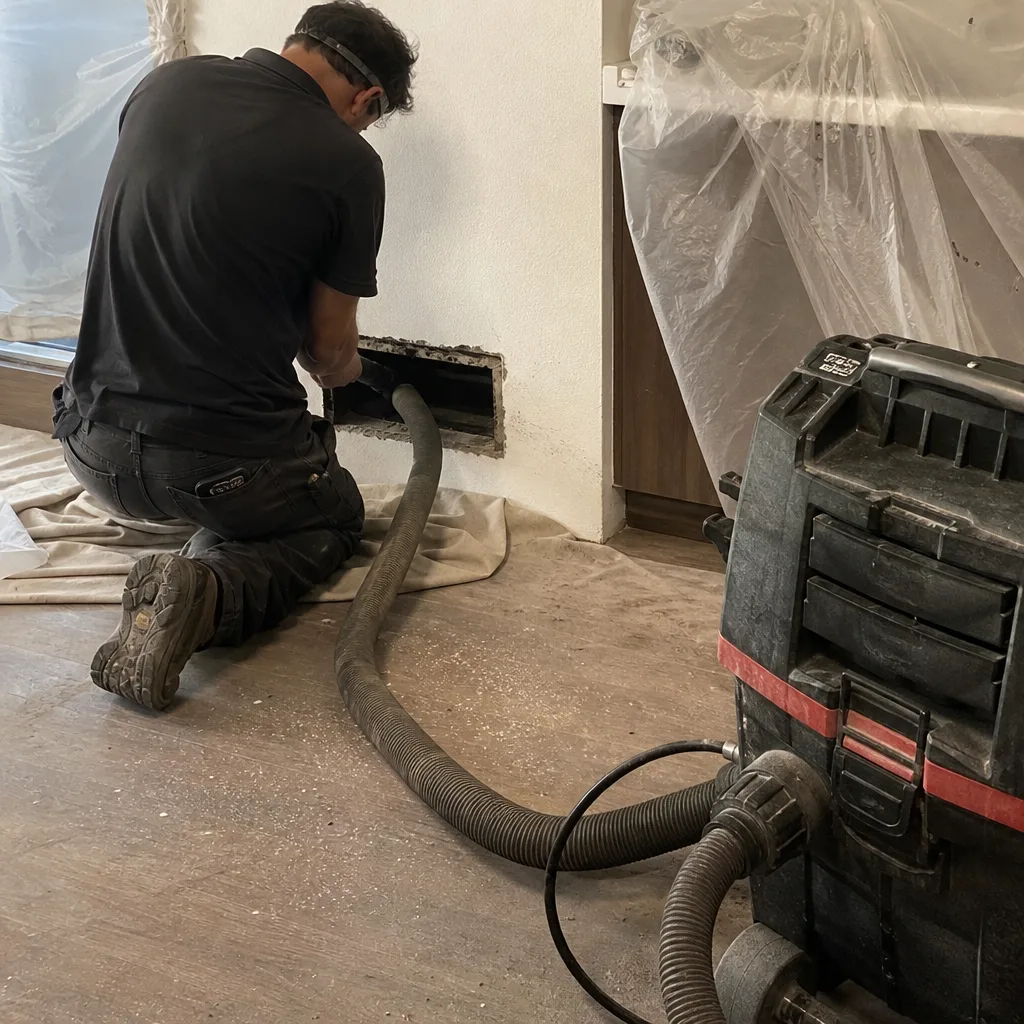 Before
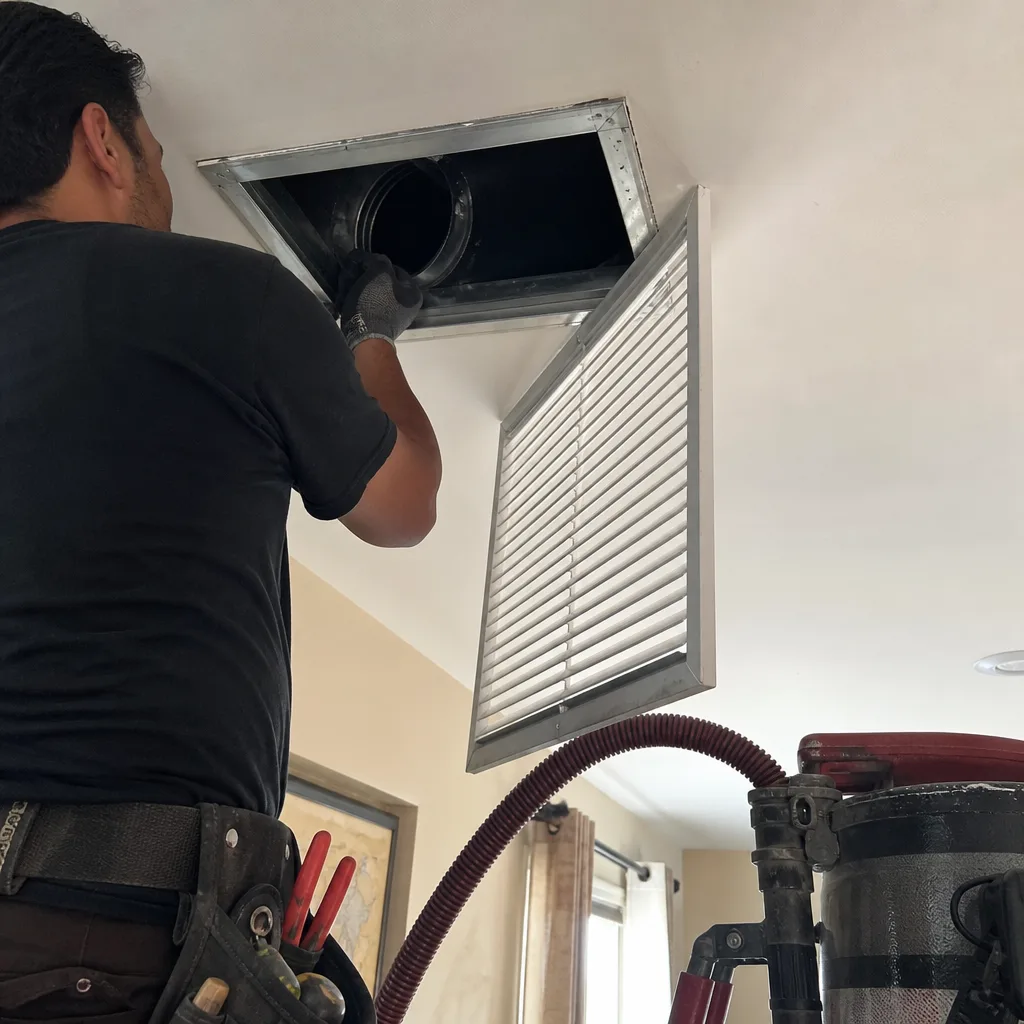 After
After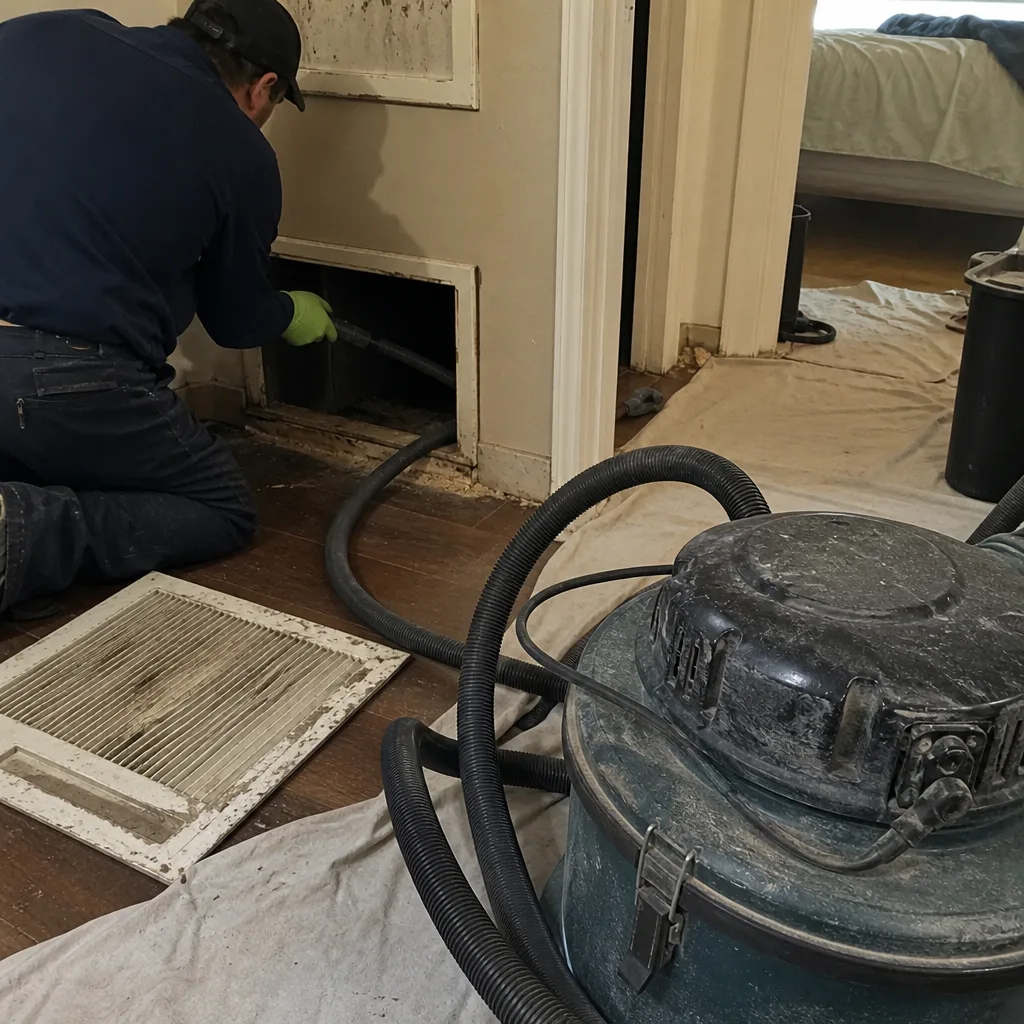 Before
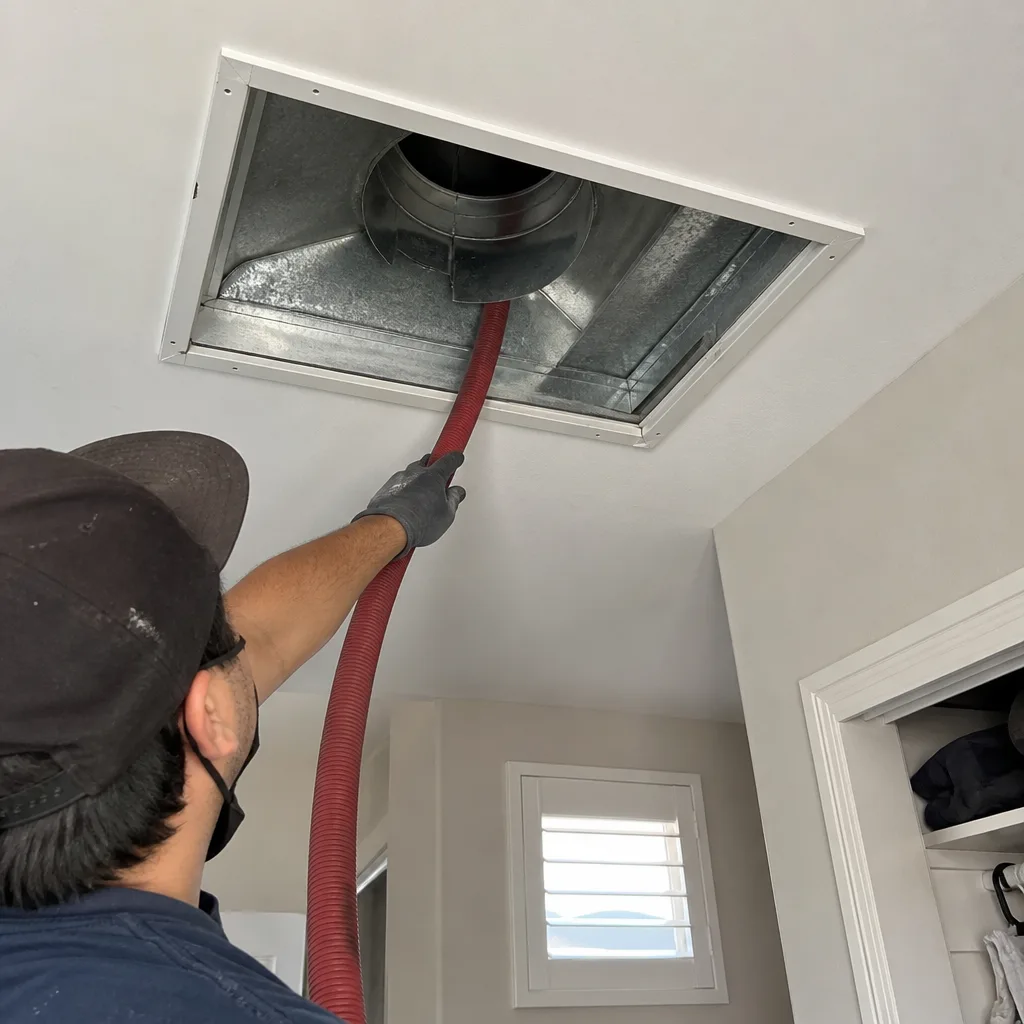 After
After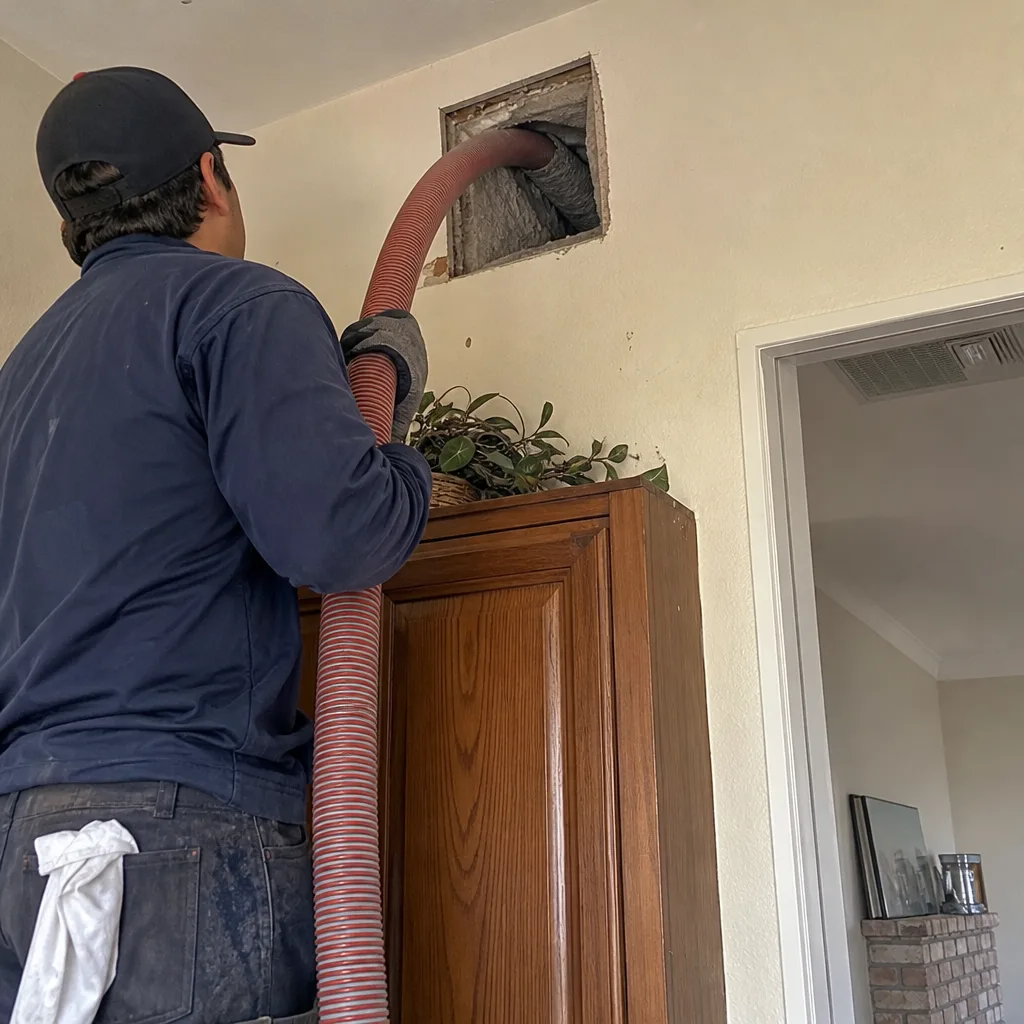 Before
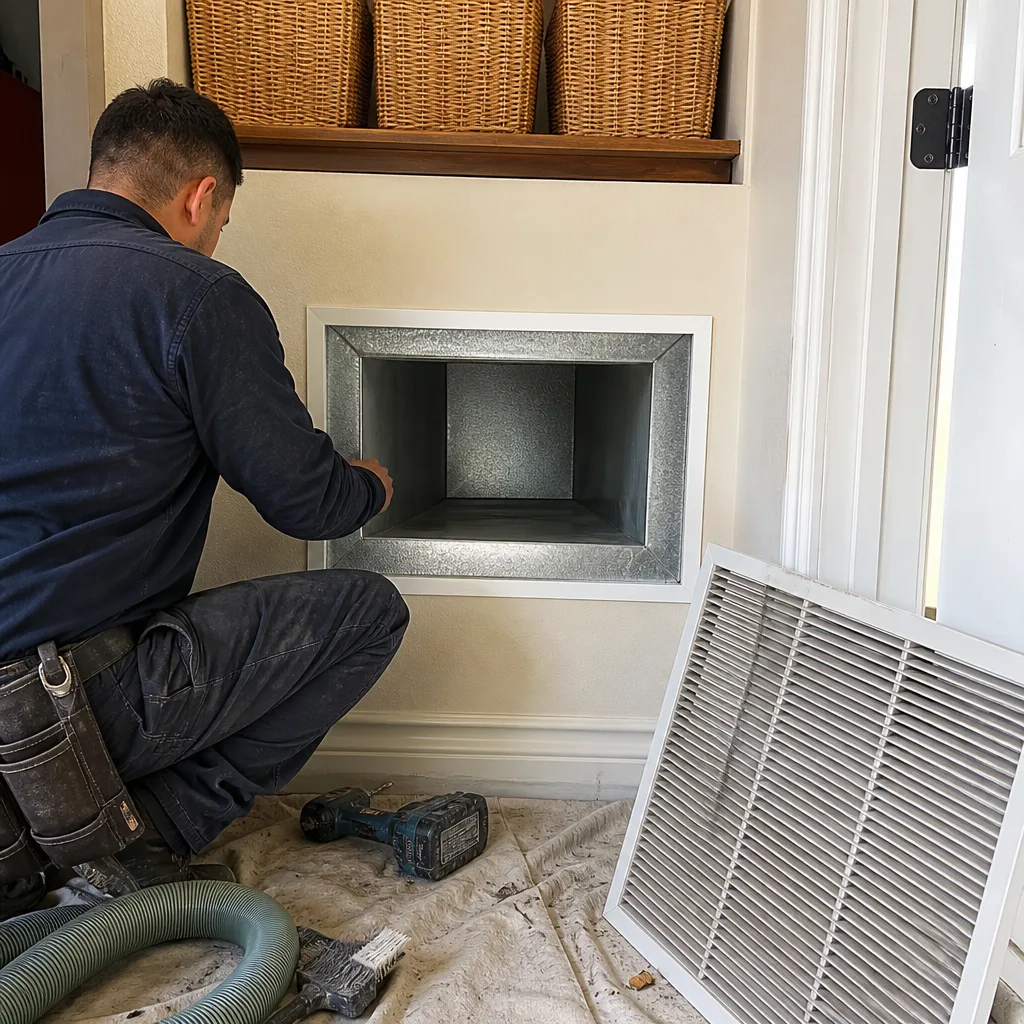 After
AfterReplacement Cost & What’s Included
For a Nikro vent sanitizing replacement in San Diego, expect to pay between $145 and $285 installed. The low end covers a gravity-fed wick, cap gasket, and feed line replacement. The upper end covers a pressure-fed pump replacement with a new atomizer nozzle and system re-prime. The part that failed drives most of the cost; on the newer pressure systems, the pump is the single most expensive component and it’s the one we don’t compromise on with aftermarket equivalents.
What’s included with our San Diego pricing: we arrive with the Nikro part, confirm the model match before installing, replace the failed component, test the full cycle with your sanitizer (or ours if yours has been sitting), and document the before-and-after with photos of the atomizer output and any replaced parts laid out on the work surface. You get the written price before any work begins, and the replacement carries our 365-Day Done Right Promise: if the part fails within a year, we return and make it right at no charge. That’s in writing on every job, not a verbal assurance.
DIY or Call Us?
What’s safe to check yourself: confirm the reservoir has fluid, confirm the unit has power and the cycle indicator responds, and look for visible cracks or crusted deposits around the cap and fittings. Those observations help us diagnose faster. What we’d caution against: opening the pressure-fed pump housing. The Nikro pressure system holds a charged diaphragm that can spray sanitizer forcefully if released wrong, and sanitizer in the eyes is a genuinely bad afternoon. The electrical side is low voltage, but probing the board with a multimeter while the unit is live risks a short that turns a $150 pump problem into a $400 board replacement.
If you’ve narrowed it down and just want it fixed, call us at (619) 695-0424. We’ll bring the Nikro part you need, confirm the match, and have your vent sanitizing running the same day in most San Diego neighborhoods.
FAQs
In San Diego’s climate, with the unit sitting in a garage or attic, expect the gravity-fed wick and cap gasket to last 2 to 3 years and the pressure-fed pump to last 4 to 6 years before performance degrades. Heat is the main killer: San Diego summers bake the seals and dry out the wick material faster than the manufacturer’s average. If you run sanitizing cycles more than twice a month, expect to replace the wick annually. Call (619) 695-0424 and we’ll give you an honest read on what your specific Nikro unit needs.
Sometimes the wick assembly and gaskets can be cleaned and reinstalled if caught early, but once a seal has hardened or a pump diaphragm has cracked, repair buys you weeks, not years. We’ll try the cleaning route when it’s genuinely viable and tell you plainly when it’s not. The written quote we give before work starts will tell you the difference. Call (619) 695-0424 with your model number and we’ll tell you what’s realistic.
Most replacements take 45 to 90 minutes from arrival to test cycle. The exception is when the feed line has pulled loose inside the duct and needs to be re-secured, which adds time based on access. We’ll give you a window when you call, and we honor it. Call (619) 695-0424 for scheduling.
Yes. We keep the common Nikro wicks, seals, nozzles, and pressure pumps on our trucks across San Diego. The uncommon ones, like a specific generation control board, we source same-week from Nikro’s supply chain. We’re an independent San Diego service provider, not a Nikro affiliate, but we’ve installed their parts long enough to know which ones fail and which ones don’t. If you also need parts for Lennox, Trane, or Carrier systems, we can cross-reference those too. Call (619) 695-0424 and confirm we have what your unit needs before we roll.
Written by Dale Whitmore, Owner, Kestrel Air Duct San Diego at Kestrel Air Duct San Diego, serving San Diego and nearby areas.